Site Selection Perspectives for Cardiometabolic and CNS Clinical Trials
The Research Triangle is one of the most concentrated pharma and biotech ecosystems in the country. The companies headquartered there are running some of the most complex and consequential clinical trials in the industry today, particularly in cardiometabolic disease and neuroscience, two therapeutic areas where getting the site network right is not optional.
Site selection decisions made early in a program have a long reach. The wrong network means slow activation, enrollment shortfalls, data quality problems, and timelines that slip. The right network means sponsors can focus on what they are actually there to do.
This is what we think Research Triangle sponsors should be asking when they evaluate a clinical trial site partner.
Do Their Investigators Actually Know These Patients?
In cardiometabolic and CNS research, this question matters more than almost anything else.
Eligibility in these therapeutic areas is not always obvious from a chart pull. Diabetes patients managing with multiple medications, Alzheimer's patients in early stages, obesity patients with overlapping metabolic conditions: finding the right people requires investigators who are actively treating these populations and who know their patients well enough to recognize who may be a candidate.
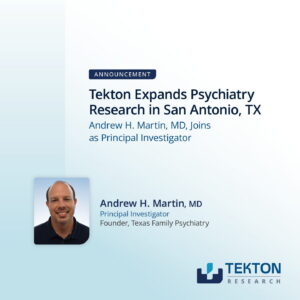
At Tekton, our physician-investigators are practicing clinicians first. They are regional leaders in endocrinology, diabetes, obesity, neurology, and psychiatry with active patient databases built through years of clinical care. Research is introduced as a care option within an existing relationship, not as a cold ask. That changes the dynamic entirely.

How Fast Can They Actually Activate?
Speed matters in this industry. But the number that matters is not what a site network puts on a slide deck. It is what they actually deliver.
Activation timelines are downstream of contracting, IRB submission, and site readiness. All three have to move together. If contracting stalls, everything stalls. If IRB submissions are inconsistent across sites, timelines fracture.
Tekton treats contracting as a strategic function, not a back-office one. Our average contract turnaround is 20.3 days against an internal benchmark of 30. That kind of discipline compounds across a multi-site program.
Can They Handle the Complexity of Your Protocol?
Not all site networks are built for complex protocols.
Cardiometabolic trials involving MASH, Type 1 diabetes, or advanced obesity pharmacotherapy require investigators with real therapeutic depth, not just general medicine experience. CNS trials, particularly rater-dependent studies in MDD, PTSD, treatment-resistant depression, or Alzheimer's disease, require trained and calibrated raters who know these scales and apply them consistently across every site in the network.
This is where Tekton's model is different. Our CNS sites are built specifically for rater-dependent studies. We have industry-recognized expertise in scale calibration and rater training. We do not staff these studies with general coordinators.
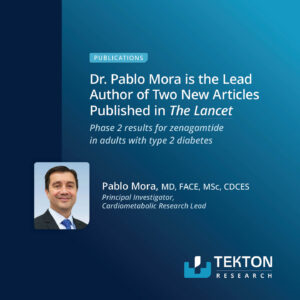
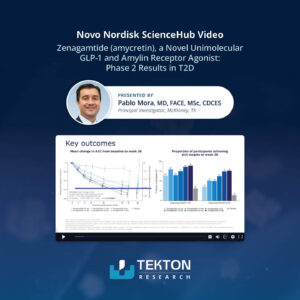
On the cardiometabolic side, our investigator team includes board-certified endocrinologists and obesity medicine specialists with deep experience across diabetes, MASH/NASH, lipid disorders, and metabolic conditions. The expertise is real and it shows in the data.
Do They Have the Geographic Footprint Your Program Needs?
Research Triangle sponsors are running national programs. A site network that covers only one region cannot deliver what a multi-state trial requires.
Tekton operates 25 research sites across Texas, Colorado, Oklahoma, Kansas, New Jersey, Georgia, Virginia, Ohio, and Missouri, and we are growing. Our sites are strategically located to reach diverse patient populations across communities that are often underrepresented in clinical research.
For sponsors designing trials that need meaningful geographic spread, and the patient diversity that comes with it, our footprint is built for exactly that.
What Happens When Something Goes Wrong?
Every trial hits friction. The question is how a site network responds.
At Tekton, our centralized operational teams work alongside site staff from feasibility through close-out. Sponsors have direct access to leadership. Communication is proactive, not reactive. When a protocol creates an operational challenge at the site level, we bring that back to the sponsor with solutions, not just status updates.
We think of sponsor relationships as partnerships. That means being transparent early and often, including about things that are not going perfectly.
The Bottom Line for Research Triangle Sponsors
Your trial is your program. The site network you choose is either going to move it forward or slow it down.
Tekton partners with sponsors and CROs across the country to execute cardiometabolic and neurology trials with the speed, rigor, and patient access that complex research demands. If you are headquartered in the Research Triangle and looking for a site network that can deliver on both, we would like to talk.